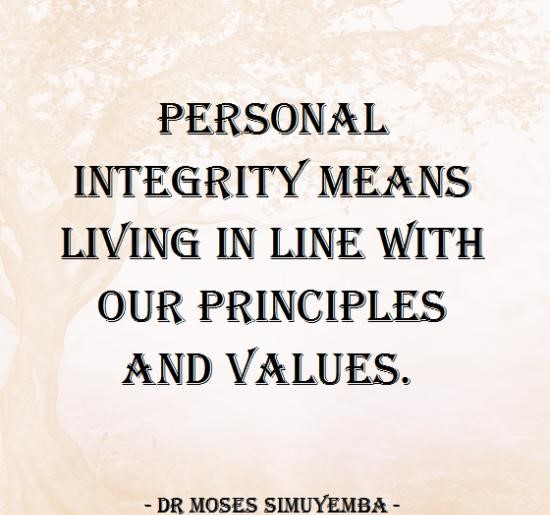
I have decided I need to love myself through all of my health issues.
We all need to love ourselves. Aging is something we will all do, if we are
privileged. I want to do so gracefully, especially with chronic
illness.
Self-Love Is: Not Spiraling in Guilt
Having a chronic illness means I will go through guilt,
disappointment, and anger with myself when I'm not capable of doing
something I really needed, wanted, or said I would do. I feel trapped
inside a mind that wants to do a lot and a body that wants to do
nothing.
Self-Love Is: Owning My Mistakes
Self-love is realizing I am human. I get foggy, forgetful, and
sometimes sloppy due to fatigue or pain. Lupus brain fog is REAL!! I make mistakes — minor to
very questionable ones. I get lost easily when driving. I can sit here and wallow in self-pity for
my mistakes, or I can move on and learn from them.
Self-love is being kind, compassionate, and patient with myself.
Self-Love Is: Setting Boundaries
This might look like not watching too much TV, not eating too much
junk food, not staying up too late, or just saying no to anything I
know that will lead to me feeling worse down the road, make me feel
uncomfortable, or get me in trouble.
Self-love is reminding myself that these things are a temporary
coping mechanism and do not lead to feeling better in the long run.
Self-love is also letting go of toxic people and situations. This
includes removing someone who is emotionally draining from my life or
someone who doesn't believe I am sick. This includes saying no to
plans because I know they will leave me too exhausted.
Self-Love Is: Recognizing I Still Have Value
I recently quit my “day job”. It was my consistent income.
However, I drove 1.5 hours to and from work. It was a grueling drive
through a mountain with lots of curves. I quit at the recommendation
of my family, and my neurologist and rheumatologist. The drive was
taking a toll on my body and creating more pain than it was worth. My
kids and hubby feared I would have another stroke like migraine and
not be able to get help. (there is 45 minutes of the drive without a
cell phone signal). We all agreed I would quit my job and focus on my
photography business. I struggle now with feeling like I am not
contributing to my household. I feel like a burden. However, my
husband is extremely supportive and reminded me that I supported him
while he looked for a job – for over a year.
When I reflect on what I can still do to participate – sell my handcrafted jewelry, sell my clothing that I can or don't wear, on
Mercari or Poshmark, and go out and market my photography business.
This is so much healthier than focusing on my losses. Reframing my
thoughts to focus on what I CAN do instead of what I CAN'T do is
healthier.
Self-Love Is: Giving My Body What It Needs to Thrive
Nourishing myself with healthy foods and exercise is part of my
process for practicing self-love.
Processed, high carb, high fructose/sugar foods trigger
inflammation and leave me sluggish, fatigued, in pain, and depressed. And they raise my blood sugar and I feel even worse.
I remind myself that while such foods may be satisfying in the
moment, it does not make me feel better or help my performance. That
does not mean completely eliminating my trigger foods, as enjoying
them in moderation is key. I have learned how to listen to the subtle
and sometimes not-so-subtle signs that my body says about what it needs.
I dislike exercising. However, my husband reminds my I always feel
better after I do it. I remind myself to go slow as well. I have a
tendency to go “ALL IN” on anything and create burn out or too
much pain quickly. I can't afford to burn out myself or create more
pain. Taking it slow and doing what I'm capable of each day – "progress not progress" is my motto.
Self-Love Is: Embracing Alone Time
My life has become lonely sometimes since I've became chronically
ill. Some friends have moved on with their lives or I just don’t
have much in common with people I used to spend time with before my
diagnoses.
I learned to reach out to those who I know are in my corner. Or
are part of my support network. Especially when I feel alone. I have
found virtual (zoom) support groups and have made new friends. And
found new friends who also have chronic illnesses like me. When I
feel alone, I’ve also also found that embracing self-care rituals
help makes being alone a bit more enjoyable.
Self-Love Is: Art
There’s no one definition or way to practice self-love. The
important thing is how I talk to yourself and treat myself each day.
Doing so is a necessary part of living with chronic illness. Without
self-love, I wouldn’t be able to practice self-care.
Self-love and self-care are an ongoing journey. It’s normal to
struggle and I sometimes still do. It’s okay to not be okay, and
it’s definitely okay to ask for help. Research shows that those
living with depression and anxiety tend to have poorer outcomes with
chronic illness, so treating my mental health is as important as
treating my physical health.
But just because practicing self-love is hard doesn’t mean it’s
not worth it.
Without self-care and self-love, I wouldn’t be me.
Check the facts
When feeling symptoms, especially ones like pain, fatigue, or
weakness, it’s easy to “catastrophize” what I’m experiencing
and assume that the pain will never end, or that I’ll never feel
any better.
This is especially difficult with chronic illness because the
truth is, I won’t feel completely better or have the same level of
energy or lack of pain that my able-bodied friends do. Still, there’s
a balance between assuming the worst and accepting reality.
In Dialectical Behavior Therapy (DBT), there's a practice called
“checking the facts”. This basically means seeing whether my
view of a current situation lines up with reality. For me, this works
best when I’m feeling immense anxiety or sadness around my current
condition. I like to ask myself a simple question, “Is that true?”
This technique helps when my brain begins to spiral around
self-pity and fear, believing I will always be alone, sitting in a
chair while my friends explore.
“Is that true?” I ask myself. Usually, the answer is no.
Today might be a hard day, but not all days are this hard.
Practice Gratitude
One of the most helpful things I’ve learned to do is keep a
gratitude journal for when things go right.
Within it, I note the good: my cat’s warm body against mine as I
sleep, good days with minimal pain, the way the sunlight beams
through my plants in the morning, my husband doing the dishes, being
able to order groceries online, etc
It’s as simple as writing down the little things that make me
feel good.
It’s harder to notice the good within my own body, but that
helps restore balance, too.
I try to notice what my body is doing well — even if all I can
come up with is that I’m breathing and continuing to move through
the world.
Some days, I wake up in so much pain, I focus on what's in front
of me each minute and write down that thing or situation as being
something I'm grateful for.
Advocate for yourself
Upon returning home from a camping trip with my husband and some
friends, I crawled into bed and began to cry. I was afraid to admit
how hard it had been for me. I felt exhausted, defeated, and ashamed
of my failing body.
I realized I needed to advocate for myself. Tell my husband when
I've had enough. Or when I need a nap. Or ask a friend to fix a plate
for me during mealtime.
Advocating is hard work, because there’s always the fear of
rejection, and more than that, the fear of not deserving to speak up
for what you need.
Speak up. It’s worth it. People will listen. And if they don’t,
find the people who will.
Turn to
body positive role models
One of my favorite ways to encourage myself on bad days is to look
at body positive role models. This is especially relevant for me when
I feel shame around weight gain or the way my body physically looks.
I am always on the search for people and role models that make me
feel proud of whatever shape I am and whatever way my body needs to
be right now.
Remember, any shape or form or weight or number still deserves
love, attention, and care. There’s no version of you or your body
that deems you undeserving of such things. None.
One of my favorite role models is Terri Hofford on Instagram:
https://www.instagram.com/terihofford/
Remember
that feelings are valid
Finally, I allow myself feel. As cliché as this sounds, it’s
crucial.
The day I returned from camping and let myself cry, I felt real
grief. Deep, full, overwhelming grief that I lived in a world where
people could become sick and not get better. That doesn’t go away.
No amount of gratitude, intentional self-care, or anything else will
make that different.
Part of loving my body on bad days is just accepting the knowledge
that there will always be bad days and limitations. Those bad days
suck and aren’t fair. Sometimes they come with sadness and grief so
big I worry it will swallow me.
I let that be my truth for the moment. I allow myself to be sad or
angry or grief-stricken.
Then, when the wave passes, I move on.
Good days exist too, and both me and my body will be there when
they arrive.
Be Kind
to Yourself!
Self-compassion
means being kind to myself when I am experiencing pain, fatigue, or
migraines. This is so important when living with a long-term chronic
illness. Living with a chronic illness is hard so why make it even
harder? We all deserve compassion and that includes ME! When I am
having a high pain/fatigue day, the best thing I do for myself is
have compassion for my body. My illnesses are something I have to
manage every hour of every day. Self-compassion makes it so much
easier. I strongly recommend you make it a daily habit! It actually
helps me figure out how to deal with difficult situations. I have
learned how to be kind and forgiving to myself. I choose
self-compassion over self-blame and self-criticism.
If you
have chronic illness please be kind to yourself.
If you have a chronic illness,
please reach out to me. Let's support each other!
Leave a comment below and send me and email:
Email: Deelitefulphotography@gmail.com
Websites I found helpful while writing this blog:


.png)